
Direct Answer: Physical Exclusion and Sanitation
The single most effective rodent deterrent is physical exclusion combined with strict property sanitation. Rodents enter structures solely in search of food, water, and sheltered nesting sites. Physical barriers like heavy-gauge galvanized steel mesh, concrete patching, and metal flashing physically block rodents from entering, creating a permanent deterrent that scent or sound products cannot match.
Consumer products such as peppermint oil spray, ultrasonic plug-in repellers, and mothballs often promise fast results, but scientific evaluation demonstrates that their effects are temporary at best. To solve a rodent issue permanently, property owners must distinguish between three distinct concepts:
- Deterrence: Attempting to make an area unappealing through scent, noise, or visual cues.
- Exclusion: Physically sealing openings to make structural access impossible.
- Active Control: Removing rodents already nesting inside the building.
What Makes a Rodent Deterrent Effective?
An effective deterrent must overcome a rodent's natural drive for survival. Rats and mice possess high adaptability, keen senses, and sharp incisors capable of chewing through soft wood, plastic, vinyl, and soft metals. A deterrent succeeds only if it creates an impenetrable physical boundary or completely removes the reward (food and shelter) that draws rodents to the building.
The Most Reliable Long-Term Approach: Exclusion
Exclusion prevents rodents from stepping foot inside your living spaces, attics, or crawl spaces. During professional rodent exclusion, technicians systematically inspect and seal critical vulnerability points:
- Roofline Gaps and Eaves: Roof rats frequently climb trees or utility lines to enter roof eaves and fascia gaps.
- Vents and Screens: Attic vents, foundation vents, and gable vents require 1/4-inch hardware cloth backing.
- Utility Penetrations: Gaps around plumbing, electrical conduit, gas lines, and HVAC copper lines must be sealed with steel wool and exterior-grade sealant or metal escutcheon plates.
- Crawl Space Doors and Access Panels: Tight-fitting doors stop ground-level entry.
- Garage Door Weather Stripping: Bottom seals must be intact and reinforced to stop mice from slipping underneath.
Eliminate What Attracts Rodents
No deterrent will succeed if your property offers abundant food and water. Effective deterrence requires removing primary attractants:
- Store pet food in airtight glass or thick metal containers; remove leftover outdoor pet food immediately.
- Keep exterior garbage cans tightly covered and clean waste bins regularly.
- Trim tree branches at least 6 feet away from rooflines to eliminate climbing bridges.
- Fix leaking hose bibs, sprinkler heads, and AC condensation drains that provide standing water.
Do Ultrasonic Rodent Repellents Work?
Ultrasonic devices emit high-frequency sound waves intended to irritate rodents. Independent scientific studies and tests by regulatory agencies show that ultrasonic devices have very limited effectiveness. Key limitations include:
- Rapid Habituation: Rodents quickly realize the sound poses no physical threat and resume normal activity within days.
- Limited Sound Travel: High-frequency sound waves cannot penetrate solid walls, furniture, or insulation where rodents actually travel and nest.
- Regulatory History: The U.S. Federal Trade Commission (FTC) has repeatedly warned manufacturers regarding unsubstantiated claims about ultrasonic pest repellers.
Does Peppermint Oil Repel Rats and Mice?
Peppermint oil is a popular DIY natural deterrent. High concentrations of menthol can cause temporary irritation to a rodent's nasal passages. However, peppermint oil dissipates rapidly in open air, requires constant reapplication, and will not deter rodents if food or warm nesting sites are present. It cannot replace structural sealing.
Do Commercial Rodent Repellents Work?
Commercial chemical or scent repellents (such as capsaicin sprays or predator urine formulas) may offer short-term deterrence in small outdoor garden areas. However, rain washes them away, and rodents quickly acclimate. They are not suitable for securing indoor living spaces or attics.
What Professionals Look For
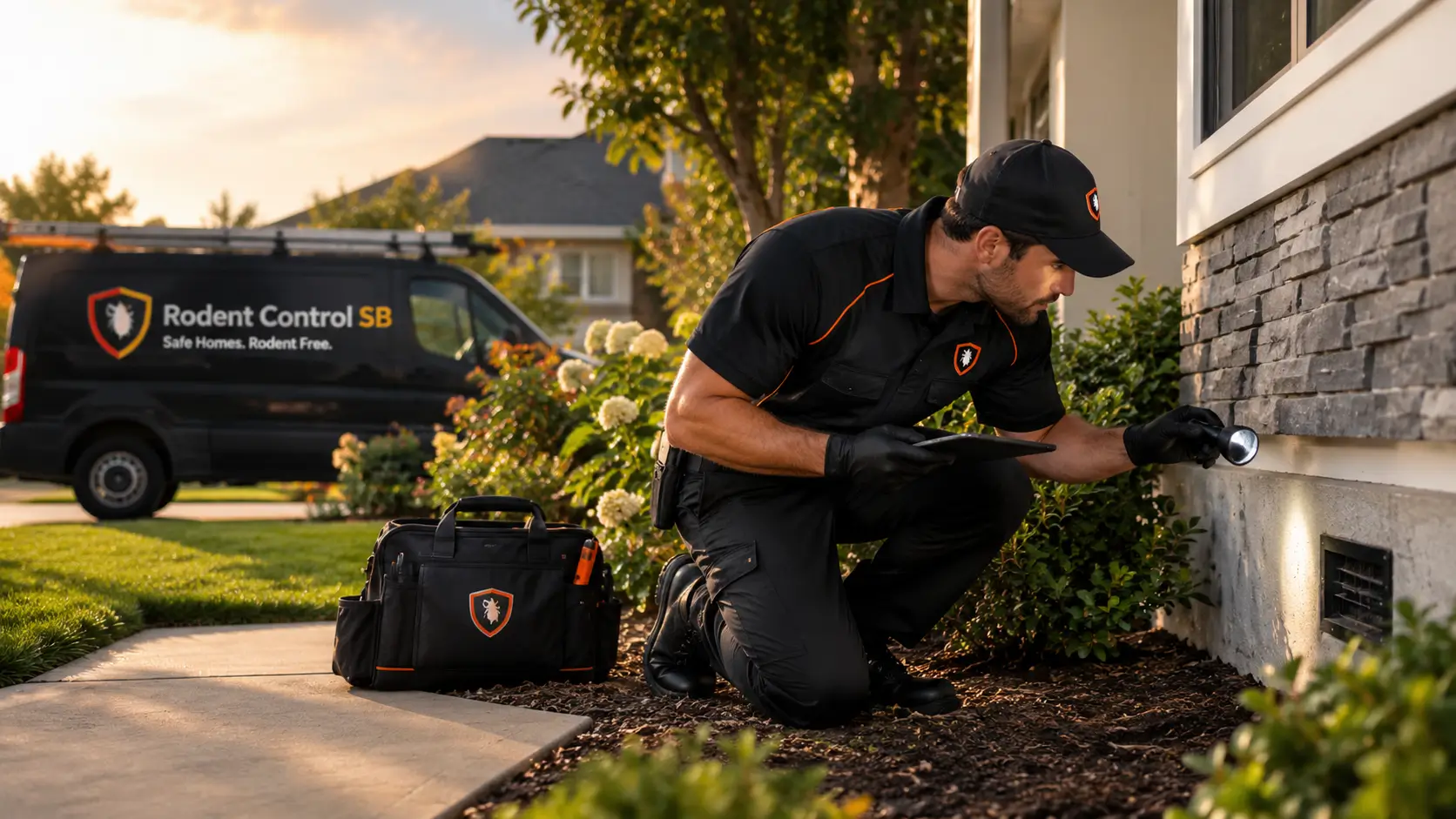
When evaluating a property, a professional technician conducts a comprehensive rodent inspection to pinpoint structural gaps, travel pathways, nesting evidence, and environmental attractants. Rather than relying on temporary repellents, professionals design a customized plan featuring rat control, mice removal, and durable structural exclusion.
When a Deterrent Is Not Enough
If you already hear scratching noises in your ceiling, find droppings in cabinets, or see gnaw marks on wood, rodents are already inside. Repellents will not force an established colony to leave. Active trapping and removal must take place alongside entry sealing.
Frequently Asked Questions
Will keeping a cat deter rodents?
Cats may catch occasional mice in open rooms, but rodents often nest in attics, wall voids, and crawl spaces where cats cannot reach. Cats do not stop rodents from entering through exterior openings.
Can rodents chew through expanding foam?
Yes. Standard spray foam can easily be gnawed through by rats and mice. Exterior sealing must incorporate steel mesh or metal backing prior to applying sealants.
Ready for long-term structural rodent exclusion?
Call (805) 429-3838 for Inspection